Key Benefits of Hiring Lincolnton Apartment Movers for a Safe, Efficient, and Stress-Free Residential Move
Moving from one apartment to another can seem straightforward until the actual work begins. Packing belongings, carrying furniture through hallways, navigating stairs or elevators, protecting fragile items, arranging transportation, and settling into the new home can quickly become demanding. Without a clear plan, a residential move may take longer and create unnecessary stress.
Lincolnton apartment movers can help simplify the process by handling many of the physical and logistical responsibilities involved in relocating. With organized preparation, careful loading, transportation, unloading, and placement, professional moving assistance can make an apartment relocation more manageable from start to finish.
Creating a More Organized Moving Plan
An apartment move benefits from a clear plan because there are often many individual tasks to complete within a limited timeframe. A Lincolnton international movers moving plan can include packing dates, furniture preparation, transportation arrangements, building access, loading, unloading, and final setup.
Lincolnton apartment movers can help organize the physical side of the relocation around the customer's schedule. Having a structured approach makes it easier to understand what needs to happen before moving day and what should be completed after arriving at the new apartment.
Saving Time During the Relocation
Moving an apartment independently can take considerably longer when there are only a few people available to help. Carrying boxes and furniture, making multiple trips, and arranging transportation can consume an entire day or more.
Experienced movers can coordinate multiple tasks efficiently. Their familiarity with loading, carrying, and transportation procedures can help reduce unnecessary delays and allow customers to focus on other important responsibilities associated with their relocation.
Handling Heavy Furniture With Greater Care
Apartment furniture can be difficult to move through narrow doorways, hallways, staircases, and elevators. Sofas, beds, tables, dressers, cabinets, and other large items may require more than one person to carry safely.
Movers can plan how larger pieces should be lifted, carried, and positioned. Furniture that requires disassembly can also be prepared before transportation and reassembled when appropriate, making the overall process more manageable.
Navigating Apartment Building Challenges
Apartment relocations often involve unique access considerations. Elevators may need to be scheduled, parking areas may have restrictions, and hallways or entrances may have limited space.
Planning these details in advance can help prevent delays. Customers can communicate building requirements before moving day so that the moving process can be coordinated with property management and available access points.
Protecting Belongings During Transportation
Household belongings can be vulnerable to damage when they are packed, carried, loaded, and transported without proper organization. Fragile items require particular attention, while larger furniture pieces can be scratched or damaged if they are not handled carefully.
A systematic moving process helps keep belongings organized throughout the relocation. Proper packing, careful carrying, and strategic loading can reduce unnecessary movement and help protect household items during transportation.
Making Packing More Efficient
Packing is often one of the most time-consuming parts of an apartment move. Clothing, kitchenware, books, electronics, decorations, documents, and everyday supplies all need to be sorted and prepared.
Creating categories and labeling boxes according to their contents or destination room can make unpacking easier. Items that will be needed immediately can be separated from belongings that can remain packed until the rest of the apartment is organized.
Managing Fragile Household Items
Glassware, mirrors, dishes, artwork, electronics, and decorative pieces require additional care. Poor packing or rushed handling can increase the possibility of damage during a move.
Fragile belongings should be identified before loading begins. Keeping these items properly packed and clearly identified helps movers understand which boxes require extra attention during carrying and transportation.
Reducing Physical Strain
Moving furniture and heavy boxes can place significant physical demands on people who are not accustomed to lifting and carrying household items. Repeated trips up stairs or through long hallways can make the process particularly tiring.
Professional moving assistance can reduce the amount of heavy lifting required from customers. This can allow residents to concentrate on coordinating the move, preparing the new apartment, and handling personal responsibilities rather than spending the entire day carrying belongings.
Streamlining the Loading Process
Loading a moving vehicle requires more than simply filling available space. Furniture, boxes, and fragile belongings need to be positioned in a way that keeps the load organized during transportation.
Large furniture can be placed strategically while boxes can be grouped according to their destination or contents. A well-organized loading process can make unloading faster and reduce the amount of time spent searching for specific belongings.
Making Transportation More Convenient
Transportation can become complicated when residents do not have access to a suitable vehicle. Multiple trips may be necessary if a personal car is used, particularly when moving furniture or large quantities of boxes.
A coordinated moving vehicle can make the transportation stage more efficient. Instead of organizing several trips, customers can have their belongings transported as part of a planned relocation process.
Improving the Unloading Process
Arriving at the new apartment is only part of the move. Furniture and boxes still need to be unloaded, carried inside, and positioned correctly.
Lincolnton apartment movers can organize unloading according to the layout of the new residence. Clearly labeled boxes can be directed toward their intended rooms, while larger furniture can be placed in appropriate areas to reduce unnecessary rearranging.
Helping With Furniture Placement
Large furniture can be difficult to reposition after it has been placed inside an apartment. Planning furniture placement before unloading begins can help make the setup process more efficient.
Customers can determine where beds, sofas, dining tables, desks, cabinets, and other major pieces should go. Providing this information before or during unloading can help create a more organized transition into the new living space.
Managing Moves in Smaller Apartments
Smaller apartments can present their own challenges because available space is limited. Boxes and furniture can quickly make hallways and rooms difficult to navigate during the move.
An organized approach helps keep pathways clear and prevents belongings from being placed randomly. Moving items in stages can also make it easier to maintain access to important areas of the apartment.
Supporting Larger Apartment Relocations
Larger apartments may contain more furniture, appliances, personal belongings, and storage items. The greater volume of possessions can increase the amount of time required for packing, loading, transportation, and unloading.
A detailed inventory and moving schedule can help break a larger relocation into manageable stages. Prioritizing major furniture and frequently used belongings can also make the new apartment functional sooner.

Preparing for Long-Distance Apartment Moves
Long-distance relocations require additional transportation planning because belongings will spend more time in transit. Customers should consider the moving schedule, destination access, packing requirements, and items that may be needed before the full shipment is unpacked.
Separating essential personal items from the main load can be helpful. Documents, medications, chargers, basic clothing, toiletries, and other immediate necessities should remain easily accessible throughout the relocation.
Creating an Essentials Bag or Box
An essentials bag or box can make the first hours in a new apartment much easier. Instead of searching through multiple boxes, residents can keep frequently needed items together.
Basic toiletries, clothing, chargers, important documents, cleaning supplies, snacks, and other everyday necessities can be prepared in advance. This small step can make the transition more comfortable while the rest of the apartment is being unpacked.
Coordinating With Property Management
Apartment communities may have specific requirements for moving residents in or out. These can include elevator reservations, designated loading zones, move-in windows, parking rules, or restrictions on certain access points.
Checking these requirements before moving day helps avoid unnecessary complications. Providing the moving schedule to property management can also make it easier to coordinate access at the appropriate time.
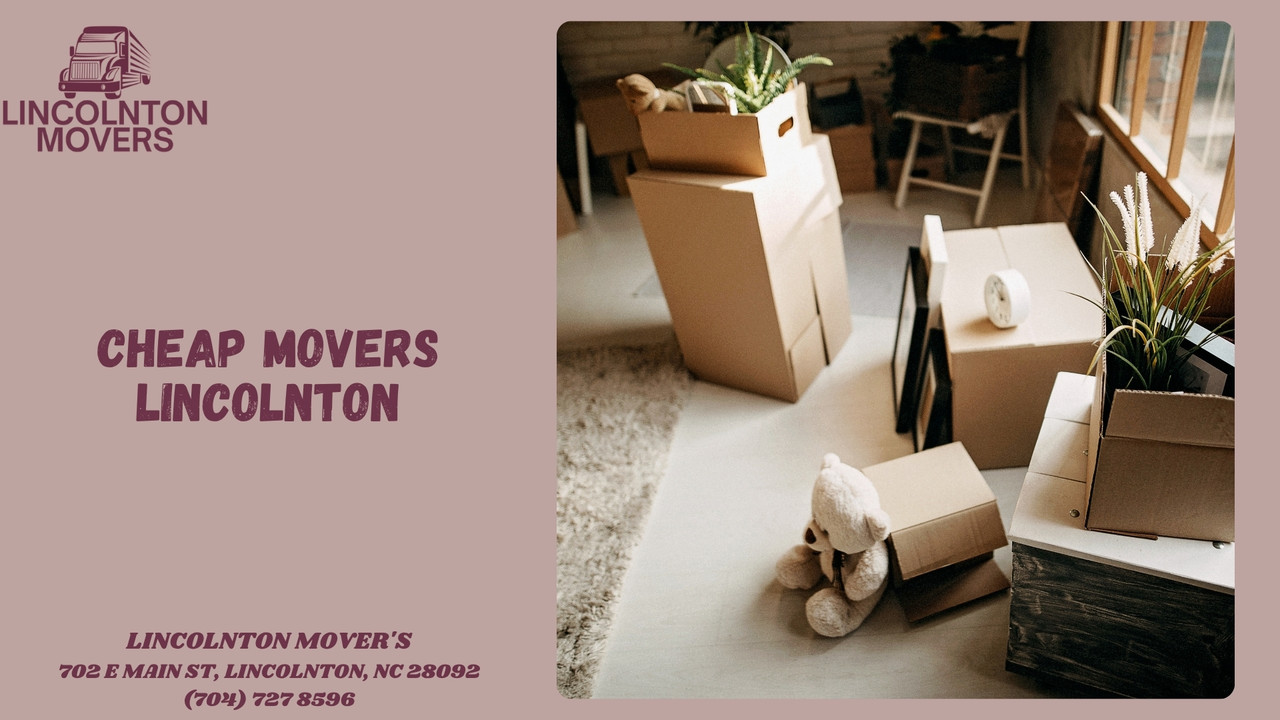
Keeping Belongings Organized With Labels
Labels are especially useful during apartment moves because they provide a simple way to identify where boxes belong. A label can include the room name and a brief description of the contents.
For example, kitchen boxes can be grouped separately from bedroom or bathroom items. This makes unloading more systematic and allows residents to begin organizing each room without opening every box.
Reducing Moving-Day Stress
Moving day can become overwhelming when too many tasks need to be handled simultaneously. Coordinating transportation, carrying furniture, supervising helpers, and managing personal responsibilities can make it difficult to stay focused.
Professional moving support can take many physical responsibilities off the customer's schedule. With a clear plan and defined responsibilities, residents can devote more attention to important personal and administrative tasks.
Preparing the New Apartment Before Arrival
Preparing the destination before the moving truck arrives can make unloading more efficient. Residents can confirm that the apartment is accessible, pathways are clear, and rooms are ready for furniture and boxes.
Knowing where major items should go also helps movers work more efficiently. Even a basic floor plan can provide useful guidance when there are multiple rooms and many pieces of furniture to position.
Maintaining Clear Communication
Communication plays an important role throughout a residential relocation. Customers should provide accurate information about the number of belongings, large furniture, building access, stairs, elevators, parking, and any special handling requirements.
Clear communication allows the moving process to be adjusted according to actual conditions. It also helps prevent misunderstandings about schedules, access arrangements, and the services needed on moving day.
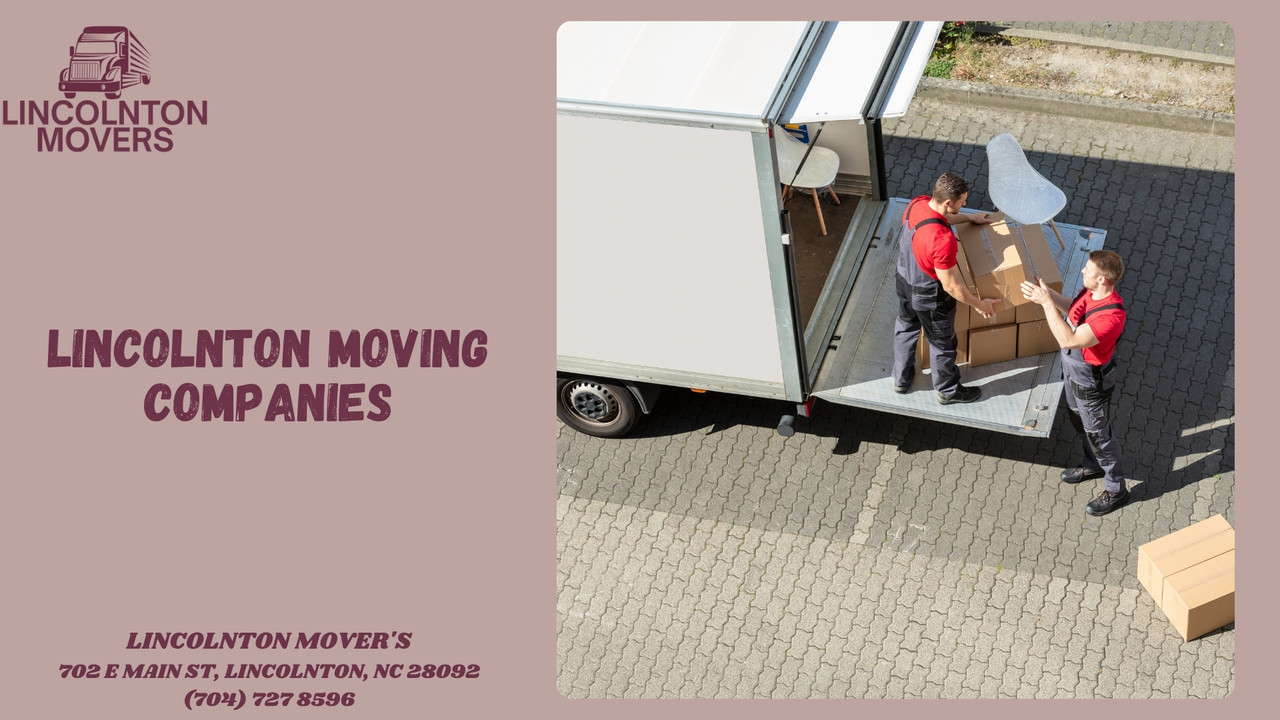
Planning Ahead for a Smoother Move
Early preparation gives residents more time to sort belongings, organize packing, confirm building requirements, and establish a moving schedule. Waiting until the last few days can make even a relatively small apartment move unnecessarily difficult.
Starting early also creates an opportunity to decide which items should be moved, donated, stored, or discarded. Reducing unnecessary belongings before moving can make packing and transportation more efficient.
Choosing the Right Apartment Moving Support
When selecting moving assistance, residents should consider the specific needs of their relocation. The number of rooms, amount of furniture, moving distance, building access, packing requirements, and preferred schedule can all affect the type of support required.
Lincolnton apartment movers can assist with different stages of a residential relocation, from loading and transportation to unloading and furniture placement. Discussing the details of the move in advance helps establish a practical plan for moving day.
Conclusion
An apartment relocation involves many interconnected tasks, including packing, furniture handling, building access, transportation, unloading, and organizing the new home. Trying to manage every responsibility alone can make the process physically demanding and time-consuming.
Hiring Lincolnton apartment movers can make these responsibilities easier to coordinate through organized planning, careful handling, efficient transportation, and structured unloading. With early preparation, clear communication, and a practical moving plan, residents can approach their relocation with greater organization and enjoy a smoother transition into their new apartment.
Contact Us:
Lincolnton Mover's
702 E Main St, Lincolnton, NC 28092
(704) 727 8596